If you want faster home charging without overloading your electrical system, an ev charger with load balancing is one of the smartest upgrades you can buy. These chargers help manage available power so you can charge efficiently while reducing the risk of tripping breakers or stressing your service.
In this roundup, we focused on models that fit real-world home setups, from Wi-Fi connected chargers to higher-amp hardwired options and smart systems that can work around electrical constraints.
Best 10 Ev Charger with Load Balancing Picks for 2026
Smart Home Charger

- 48A hardwired charging on a dedicated 60A circuit
- App control with scheduling and energy tracking
- J1772 support for nearly all non-Tesla EVs
Best For: Drivers who want a reliable smart home charger with easy overnight scheduling
Load Management Pick
BLACKBOX EV Load Management System
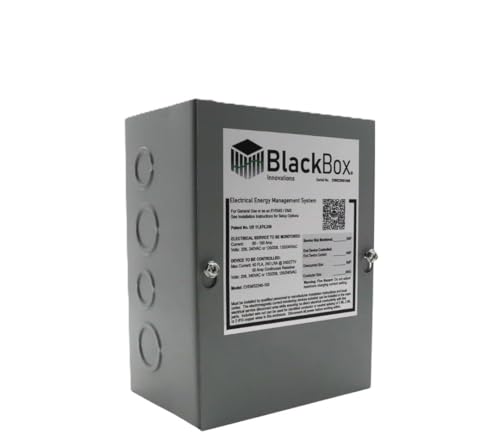
- Controls charging around available household capacity
- May avoid costly electrical panel or service upgrades
- Works with any EV charger; charger sold separately
Best For: Buyers who need true load management more than a new charger
Flexible Plug-In Option

- Plug-in 14-50 setup or hardwired up to 48A
- WiFi app with scheduling, cost, and history
- 25 ft cable and ETL/FCC/Energy Star certification
Best For: Shoppers who want installation flexibility and app-based charging control
Tesla Home Charger

- Native NACS plug for Tesla and other NACS EVs
- App-based control with adjustable charging current
- 48A hardwired output with weatherproof housing
Best For: Tesla owners who want a native connector and smart charging controls
PowerSmart Home Load Balancer
EMPORIA Pro Level 2 EV Charger

- 48A Level 2 charging with PowerSmart load balancing
- Includes Emporia Vue for home energy insights
- App-based scheduling and usage tracking
Best For: Homeowners who want fast charging with automatic load balancing and energy monitoring
Meter-Included Smart Balancer

- Energy meter and CT clamps enable dynamic load balancing
- 48A output with adjustable 6A-48A charging
- App supports scheduling, RFID, and energy tracking
Best For: Drivers who want built-in load balancing plus smart app features
WiFi Smart Charger

- 48A hardwired Level 2 charging
- 2.4GHz Wi-Fi for scheduling and energy data
- UL listed and ENERGY STAR certified
Best For: EV owners who want fast, certified charging with Wi-Fi controls
Reliable Smart Home Charging
ChargePoint HomeFlex Level 2 EV Fast Charger

- ChargePoint app adds scheduling, reminders, and charging data
- UL-certified for indoor or outdoor installation
- Adjustable 16-50A output with 23-foot cable
Best For: Homeowners wanting a dependable smart Level 2 charger
Panel-Savvy Home Charging
EMPORIA Pro Level 2 EV Charger with PowerSmart
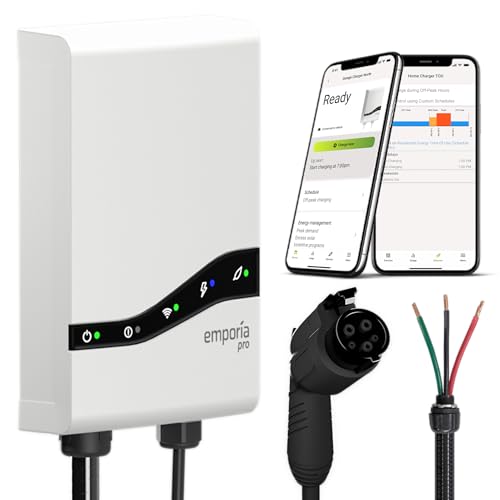
- PowerSmart automatically balances load on your existing panel
- App supports scheduling, peak-rate avoidance, and usage tracking
- Includes Vue energy monitor for deeper home insight
Best For: Homes that need load balancing and smart energy monitoring
High-Power Smart Station
Autel MaxiCharger Level 2 EV Charger

- AI app schedules charging around time-of-use rates
- Up to 80A / 19.2 kW for very fast charging
- Dual-network connectivity and remote locking
Best For: Fast-charging users who want advanced smart control
Smart Home Charger – EVIQO 48A Hardwired Level 2
If you want an ev charger with load balancing-style savings through scheduling and adjustable output, this EVIQO hardwired Level 2 unit is built for practical home use. It delivers up to 48A on a dedicated 60A, 240V circuit, supports app-based control, and can be set from 6A to 48A to match your setup and charging needs.
Best For: Homeowners who want a hardwired Level 2 charger with app control, long cable reach, and safe overnight charging.
Pros:
- Hardwired design supports up to 48A on a dedicated 60A, 240V circuit, with 50A available via DIP switch settings on a dedicated 70A circuit.
- Free app lets you start/stop charging, adjust amperage, track energy use, and schedule off-peak charging.
- Works with every non-Tesla J1772 EV, and Tesla drivers can use the adapter that comes with the car.
- UL, ETL, FCC, and Energy Star certified with IP66 / NEMA 4 weatherproofing.
Cons:
- Requires licensed electrician installation because it is hardwired.
- Needs a 2.4 GHz home WiFi network for app features.
- Tesla compatibility depends on the vehicle’s included J1772 adapter.
This is a strong pick if you want a dependable garage charger with modern controls and a long 25 ft cable. It focuses more on safe, efficient home charging than on advanced whole-home energy management hardware.
Load Management Pick – BLACKBOX EV Load Management System
If you’re shopping for an ev charger with load balancing, this BLACKBOX unit is the most direct fit in the group because it acts as an energy management system rather than a charger itself. It monitors available electrical capacity on 60A to 100A services and allows EV charging when power is available, then automatically halts charging during shortages to help avoid panel or service upgrades.
Best For: Homeowners who already have, or are choosing, an EV charger and need load management to avoid a costly electrical upgrade.
Pros:
- Designed for 60A to 100A services and automatically manages EV charging around household electrical capacity.
- Can help eliminate the need for an expensive panel or service upgrade.
- Works with any brand of EV charger and any auto brand, according to the notes.
- Fail-safe design is positioned as a safety-focused alternative to latching relay systems.
Cons:
- EV charger is sold separately, so this is not a complete charging station.
- Installation by a qualified electrician is strongly recommended.
- Its role is load management, not direct vehicle charging hardware.
This is the right choice when electrical capacity is the main concern. If your priority is keeping a home EV setup working within existing service limits, this device is built for that job.
Flexible Plug-In Option – NexCyber 48A WiFi Level 2
This NexCyber model is a practical ev charger with load balancing-style convenience through adjustable charging and WiFi scheduling. It offers a plug-in NEMA 14-50 setup by default, with up to 40A from the plug-in mode or 48A when hardwired, plus app-based control for setting charging periods and checking cost and history.
Best For: Drivers who want a flexible home charger that can be used as a plug-in unit now and hardwired later for higher output.
Pros:
- Supports both plug-in and hardwired use, with up to 40A from NEMA 14-50 and up to 48A hardwired.
- WiFi app can show charging cost, history, charging status, and off-peak scheduling.
- 25 ft cable gives generous reach in a garage or driveway.
- ETL, FCC, and Energy Star certified, with NEMA Type 3 / IP65-level weather resistance noted.
Cons:
- Tesla and other NACS vehicles need an adapter, which is not included.
- For 40A to 48A operation, the notes stress proper wiring and professional installation.
- The listing warns against direct sunlight or heavy rain exposure for best results.
Overall, this is a versatile home charging option if you want app features, long cable reach, and the ability to choose between plug-in simplicity and higher hardwired output.
Tesla Home Charger – EVIQO NACS 48A Hardwired
For Tesla owners looking for an ev charger with load balancing-style efficiency through smart scheduling and adjustable output, this EVIQO NACS unit is a strong home fit. It hardwires to a dedicated 60A, 240V circuit, delivers up to 48A, and uses the same app-based controls as the J1772 version for amperage setting, reminders, and energy tracking.
Best For: Tesla drivers who want a dedicated NACS home charger with smart app control and a long cable.
Pros:
- Native NACS plug works directly with Tesla Model S, 3, X, and Y, plus other NACS-equipped EVs.
- Up to 48A hardwired output on a dedicated 60A, 240V circuit, with 50A available via DIP switch settings on a dedicated 70A circuit.
- App control supports start/stop, 6A to 48A adjustment, reminders, and energy/money tracking.
- UL, ETL, FCC, and Energy Star certified with IP66 / NEMA 4 weatherproofing.
Cons:
- Non-Tesla J1772 vehicles need a separate NACS-to-J1772 adapter, not included.
- Requires hardwired installation by a licensed electrician.
- Needs a 2.4 GHz WiFi network for app features.
This model makes the most sense if your household is Tesla-centric and you want a clean native connector without sacrificing smart home charging features. It is focused on straightforward overnight charging rather than external load-management hardware.
PowerSmart Home Load Balancer – EMPORIA Pro Level 2 EV Charger
If you want an ev charger with load balancing that can work around limited household capacity, the Emporia Pro Level 2 is built for exactly that kind of setup. Its PowerSmart technology automatically balances load with your existing electrical panel, helping you charge at up to 48 amps without forcing a panel upgrade.
Best For: Homeowners who want fast Level 2 charging plus real-time energy monitoring and automatic load balancing.
Pros:
- PowerSmart automatically balances load to help maximize charging speed on your existing panel.
- Includes the Emporia Vue for real-time visibility into home energy use.
- Works with the Emporia app for scheduling, usage tracking, and peak-rate avoidance.
- Flexible setup with either a NEMA 14-50 plug or hardwired connection.
Cons:
- Installation may still require an electrician depending on your home setup.
- Some advanced benefits depend on using the Emporia app and energy monitor.
This is a strong pick if you want a connected charging solution that does more than simply deliver power. The combination of automatic load balancing, app controls, and included home energy monitoring makes it especially useful for owners who want more insight and control over charging.
Meter-Included Smart Balancer – IYILO Level 2 EV Charger
This ev charger with load balancing is aimed at buyers who want dynamic power control right out of the box. The IYILO Level 2 charger includes an energy meter and CT clamps, so it can automatically adjust charging speed based on available household power and help avoid a costly panel upgrade.
Best For: Drivers who want a smart, hardwired charger with built-in load balancing, RFID access, and detailed app controls.
Pros:
- Includes an energy meter and CT clamps for real-time dynamic load balancing.
- Adjustable from 6A to 48A in 1A steps for flexible charging control.
- Smart app supports scheduling, energy tracking, TOU rates, RFID, and OTA updates.
- Built-in connector overheat protection adds an extra safety layer.
Cons:
- Requires hardwired installation with a 60A breaker and licensed electrician.
- Only supports 2.4GHz Wi-Fi, not 5GHz.
- Tesla vehicles need a separate J1772 adapter.
The big advantage here is that the load-balancing hardware is included, not optional. If you want a feature-rich charger that can manage household power intelligently while giving you app-based control, this model checks a lot of boxes.
WiFi Smart Charger – EMPORIA Level 2 EV Charger
The Emporia Level 2 EV Charger is a straightforward option if you want a reliable ev charger with load balancing-style energy awareness through smart charging controls and home energy data access. It is hardwired for up to 48 amps and connects over 2.4 GHz Wi-Fi so you can schedule charging and monitor real-time energy data from your phone.
Best For: EV owners who want a simple, fast hardwired charger with Wi-Fi scheduling and strong safety certifications.
Pros:
- Up to 48A hardwired charging for fast Level 2 performance.
- 2.4GHz Wi-Fi enables scheduling and real-time energy data access.
- UL listed and ENERGY STAR certified with broad safety compliance.
- 25-foot cable and J1772 connector suit many North American EVs.
Cons:
- Does not include the explicit load-balancing hardware found on some competing models.
- Hardwired installation is preconfigured, so professional install is recommended.
This model makes sense if you value dependable fast charging and smart scheduling more than extra hardware features. It keeps the setup focused and practical, with a strong certification list and wide J1772 compatibility.
Reliable Smart Home Charging – ChargePoint HomeFlex Level 2 EV Fast Charger
If you want an ev charger with load balancing-style smart control features in a dependable home unit, the ChargePoint HomeFlex is built around flexible scheduling, app connectivity, and safe indoor/outdoor installation. It delivers fast Level 2 charging for non-Tesla EVs with a J1772 connector and up to 45 miles of range per hour, depending on your vehicle and setup.
Best For: Homeowners who want a trusted, app-connected Level 2 charger with strong support and easy everyday use.
Pros:
- ChargePoint app supports charging control, reminders, station finding, and charging data
- UL-certified and suitable for indoor or outdoor installation
- Adjustable 16-50A charging with a 23-foot cable
- Backed by 24/7 support and a 3-year manufacturer warranty
Cons:
- WiFi is needed for certain features and troubleshooting
- J1772 connector requires an adapter for Tesla vehicles
Overall, this is a strong pick if you want a straightforward smart charger from a well-known brand and value reliability over advanced energy-management extras.
Panel-Savvy Home Charging – EMPORIA Pro Level 2 EV Charger with PowerSmart
The EMPORIA Pro is a practical ev charger with load balancing thanks to its PowerSmart technology, which is designed to work with your existing electrical panel and automatically balance load. It pairs that feature with app-based scheduling, usage tracking, and a 25-foot cable, making it a strong fit for homes that want faster charging without a panel upgrade.
Best For: Drivers who want smart energy management and maximum home charging speed without upgrading their panel.
Pros:
- PowerSmart technology automatically balances load on your existing panel
- Emporia app supports scheduling, peak-rate avoidance, and real-time usage tracking
- Includes Emporia Vue for deeper home energy insights
- Flexible install options with NEMA 14-50 plug or hardwired connection
Cons:
- Tesla vehicles need an adapter because it uses J1772
- Best fit depends on your home electrical setup and Wi-Fi/Bluetooth support during installation
This charger stands out if you want a smarter way to manage household power alongside EV charging, especially when panel capacity is limited.
High-Power Smart Station – Autel MaxiCharger Level 2 EV Charger
If you need an ev charger with load balancing-style energy awareness and high-output smart management, the Autel MaxiCharger is built for fast, connected charging at home or in commercial settings. Its AI-driven app can schedule around time-of-use rates, adjust current, and provide real-time energy data, while the 80A hardwired design is aimed at serious charging speed.
Best For: Buyers who want a high-output Level 2 charger with advanced app control and long-term reliability.
Pros:
- AI-powered app helps schedule charging around utility rates
- Up to 80A / 19.2 kW output for very fast Level 2 charging
- Dual-network Wi-Fi + Wi-SUN and remote locking for uptime and security
- CSA certified, rebate ready, and backed by a 5-year warranty
Cons:
- Hardwired installation is recommended and a 100A circuit is suggested for full output
- Tesla vehicles need a NACS adapter, which is not included
This is a compelling option if speed, connectivity, and professional-grade feature depth matter more than a simple plug-in setup.
How We Picked the Best Ev Charger with Load Balancing
We prioritized chargers that offer practical load management, strong safety features, and enough flexibility for different home electrical setups. We also looked at charging speed, connectivity, installation type, cable length, certification, and whether the charger is suited to Tesla/NACS or J1772 vehicles.
Quick Comparison
Most of the chargers in this roundup are 48-amp home units, which is a sweet spot for fast overnight charging. Some options emphasize smart energy controls and app-based monitoring, while others are built for higher-capacity installations or situations where a service upgrade is difficult. If your home panel is already close to capacity, a smarter Ev Charger with Load Balancing can be more valuable than raw amperage alone.
Key Buying Factors for an Ev Charger with Load Balancing
Electrical Capacity
Check your panel size, available amperage, and whether the charger requires hardwiring or can use a plug-in connection. A charger is only as useful as the circuit it can safely share with your household loads.
Load Management Features
Look for dynamic load balancing, energy metering, or smart app controls that can reduce charging power when demand rises elsewhere in the home. These features are especially important if you run HVAC, electric cooking, or other large appliances at the same time.
Vehicle Connector and Installation Type
Choose J1772 for most non-Tesla EVs, or NACS if you drive a Tesla-compatible vehicle and want a native connector. Hardwired models are usually better for permanent installs and higher power output, while plug-in units can be easier to set up.
Smart Controls and Monitoring
Wi-Fi, scheduling, current limits, and usage tracking can help you charge during off-peak hours and keep power use predictable. These tools are especially useful if you are trying to stay within a managed home energy budget.
Who Should Buy Which Ev Charger with Load Balancing?
If you want the simplest high-speed home charging setup, choose a straightforward 48-amp hardwired model. If your home electrical capacity is tight, prioritize an Ev Charger with Load Balancing or strong energy-management software. If you need broader compatibility across vehicles, stick with J1772; if you drive a Tesla and want a native connection, a NACS option makes more sense. For shoppers who value visibility and control, app-connected chargers with metering and scheduling are the best fit.
In short, the best choice depends less on maximum charging speed and more on how well the charger fits your home electrical system, vehicle connector, and daily charging routine.