Fine dust, resin particles, and solder fumes can quickly make an art studio uncomfortable and difficult to clean. The right extractor helps capture airborne debris at the source while keeping your workspace more usable.
This roundup compares ten options across portable benchtop collectors, HEPA dust extractors, shop vacuums, wall-mounted systems, and specialized fume filtration units. Use the buying guide below to match capacity, filtration, airflow, and portability to your craft.
Best 10 Dust Extractors for Art Studios Picks for 2026
Best Compact HEPA Pick

- HEPA filtration with adjustable suction
- Automatic tool start and AutoClean system
- Compact 15-liter portable design
Best For: Portable indoor art-studio cleanup
Best Desktop Craft Pick
Portable 13,000 RPM Dust Collector

- Variable-speed suction for bench work
- Washable filter and transparent housing
- Flexible tubes with noise-reduction option
Best For: Small craft and localized dust collection
Best Large-Capacity HEPA Pick
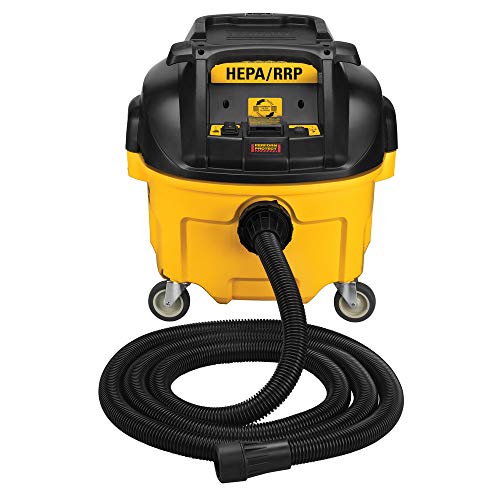
- 8-gallon container for longer sessions
- 150 CFM airflow from a 15-amp motor
- Automatic filter cleaning every 30 seconds
Best For: Power-tool-heavy studios needing capacity
Best Workshop Collection System

- 560 CFM airflow for woodworking dust
- Large 21-gallon collection bag
- 2.5-micron filtration with zipper cleanup
Best For: Dedicated woodworking studio workshops
Best for Targeted Fume Capture

- H13 HEPA plus activated-carbon filtration
- Adjustable gooseneck for source capture
- Compact, quiet desktop design
Best For: Resin, jewelry, soldering, and small craft workstations
Best Benchtop Fine-Dust Collector

- 500W suction for dry fine particles
- Below-60-decibel acoustic design
- Three flexible workstation configurations
Best For: Jewelry polishing, resin dust, and technical craft benches
Best Mobile Studio Extractor

- HEPA filtration in a mobile canister
- Automatic tool start and Bluetooth control
- Four-wheel chassis with 3.5-meter hose
Best For: Tool-connected studio work and mobile fine-dust extraction
High-Capacity Pick
DYNAVEX 12-Gallon Dust Extractor

- 142 CFM airflow with a 1.5 HP motor
- 0.5-micron HEPA filtration
- 12-gallon mobile steel tank
Best For: Larger mixed-media studios and woodworking areas
Compact Resin Pick
Resin Dust Collector for Polishing

- Over 99% airborne-particle filtration
- Stepless, quiet suction control
- Includes 100 disposable filter papers
Best For: Resin jewelry, epoxy casting, and small craft benches
Workshop Versatility Pick

- Dual vacuum and dust-extractor modes
- Automatic power-tool activation
- HEPA filter with semi-automatic cleaning
Best For: Mixed studio cleanup and connected power-tool use
Best Compact HEPA Pick – Festool CT 15
For art studios needing portable dust extractors for art studios, the Festool CT 15 combines HEPA filtration, automatic tool start, and a compact wheeled design. Its 15-liter container and included cleaning tools make it practical for furniture, upholstery, and general studio cleanup.
Best For: Artists who want a compact, durable extractor for indoor studio work and mobile cleanup.
Pros:
- HEPA filter and adjustable high-performance turbine help capture fine dust.
- Automatic tool start and AutoClean features support more convenient operation.
- Compact chassis, steel axles, and low weight improve portability.
- Included crevice nozzle and upholstery brush store onboard.
Cons:
- The 15-liter capacity is smaller than the larger workshop models in this roundup.
- It is a corded extractor with one power level.
The CT 15 is a well-rounded choice when filtration, portability, and tidy onboard storage matter more than maximum collection volume.
Best Desktop Craft Pick – Portable 13,000 RPM Dust Collector
This compact desktop unit is one of the more specialized dust extractors for art studios, designed for woodworking hobbies, resin crafts, and nail art rather than large-scale shop extraction. Its variable-speed control, washable filter, and flexible tubes suit smaller workstations.
Best For: Small craft benches, resin projects, nail-art stations, and light woodworking tasks.
Pros:
- 13,000 RPM motor provides strong suction for sanding, carving, cutting, and drilling.
- Stepless speed control lets users adjust airflow to the task.
- Transparent housing makes dust buildup and filter condition easy to monitor.
- Compact, lightweight body is easy to move and store.
Cons:
- It is not recommended for metalworking applications.
- At maximum speed, noise is listed at about 67 dB with the silencing tube and approximately 81 dB without it.
- Its desktop format and 60-watt power are better suited to localized collection than whole-studio cleanup.
This model makes sense when you need targeted dust control close to a project, especially where a small footprint and adjustable suction are priorities.
Best Large-Capacity HEPA Pick – DEWALT DWV010
The DEWALT DWV010 is a strong option among dust extractors for art studios that use power tools regularly. Its 8-gallon capacity, 15-amp motor, automatic filter cleaning, and power-tool actuation support longer sessions with fewer interruptions.
Best For: Larger studios and tool-based projects requiring high airflow, HEPA filtration, and substantial capacity.
Pros:
- 15-amp motor delivers 150 CFM of airflow.
- Automatic filter cleaning pulses every 30 seconds during operation.
- Eight-gallon capacity reduces the frequency of emptying.
- Power-tool actuation, universal hose connector, wheels, and casters improve usability.
Cons:
- At 22 pounds and 20 by 19 by 20 inches, it is less compact than the desktop and portable options.
- The listed noise level is 80 dB.
- EPA RRP HEPA-vacuum compliance applies only when DWV9330 filters are used.
Choose the DWV010 when sustained tool use and collection capacity outweigh the need for a small, quiet studio footprint.
Best Workshop Collection System – VEVOR 560 CFM Wall Mount
The VEVOR wall-mount collector is geared toward woodworking areas and larger studio workshops rather than fine-art benches. With 560 CFM airflow, a 21-gallon bag, and 2.5-micron filtration, it is designed to move substantial sawdust and sanding debris efficiently.
Best For: Dedicated woodworking studios and workshop zones handling coarse debris and sanding dust.
Pros:
- 560 CFM airflow provides strong collection for woodworking dust.
- 21-gallon collection bag supports longer work periods between emptying.
- 2.5-micron filtration helps capture fine wood dust and shavings.
- Bottom zipper simplifies debris removal without detaching the bag.
Cons:
- The 2.5-micron system is not presented as HEPA filtration.
- Its wall-mounted workshop format is less suitable for portable or tabletop art work.
- Operating noise is listed at up to 90 dB.
This collector is best viewed as a dedicated workshop solution for high-volume woodworking dust, especially when large capacity and airflow are more important than portability.
Best for Targeted Fume Capture – Desktop HEPA Smoke Extractor
For art studios handling resin, jewelry, stained glass, or other fume-producing projects, this compact desktop unit is a targeted alternative to larger dust extractors for art studios. Its adjustable gooseneck directs suction toward the source, while the H13 HEPA and activated-carbon filter addresses fine dust, smoke, odors, and some chemical vapors.
Best For: Small craft studios, resin work, jewelry making, soldering, and localized fume capture.
Pros:
- H13 HEPA and activated-carbon composite filtration.
- Stepless 0–100 speed control with a digital display.
- Flexible gooseneck nozzle supports precise source capture.
- Compact design, quiet operation, and five extra pre-filter pads included.
Cons:
- Desktop form factor is intended for localized capture rather than broad studio cleanup.
- Designed around fumes and fine particles, not large debris collection.
- Filter replacement is required after the monitored 400-hour interval.
This is a practical pick when your priority is capturing fumes and fine dust close to a workbench. The compact footprint and adjustable airflow suit detailed work, but larger studios may need a dedicated, higher-capacity extractor for general cleanup.
Best Benchtop Fine-Dust Collector – 500W Industrial Lab Vacuum
This 500W benchtop unit is a strong candidate among dust extractors for art studios that produce dry, fine particles such as resin dust, gypsum, metallic dust, or polishing debris. Its adjustable suction and three workstation configurations make it suitable for localized collection at a lab, jewelry, or electronics bench.
Best For: Jewelry polishing, resin work, electronics benches, and dry fine-particle extraction.
Pros:
- 500W motor provides high-velocity suction for fine dry debris.
- Below-60-decibel operation supports extended precision work.
- Supports hose attachment, universal-port connection, or direct intake.
- Reinforced metal housing and split-chamber design are built for daily use.
Cons:
- Not compatible with liquids.
- Not intended for large woodworking chips.
- Regular dust-drawer maintenance is needed to preserve airflow.
Choose this model if your studio needs dedicated suction for dry micro-particles rather than smoke filtration. Its benchtop size and industrial construction offer a useful balance for technical craft areas, though it is not a general-purpose wet/dry vacuum.
Best Mobile Studio Extractor – Festool CT MIDI I HEPA
The Festool CT MIDI I is a mobile canister option for art studios that need tool-connected extraction and HEPA filtration. Automatic tool start, Bluetooth control, a 3.5-meter smooth hose, and a compact four-wheel chassis make it more suitable for moving between work areas than a fixed desktop collector.
Best For: Studios using compatible power tools for woodworking, hard-floor work, or renovation-style projects.
Pros:
- HEPA filter supports fine-particle filtration.
- Automatic tool start and integrated Bluetooth enable convenient operation.
- Compact, lightweight chassis with four wheels improves mobility.
- Manual filter cleaning and tool-free filter changes help maintain performance.
Cons:
- Its supplied notes specify one power level rather than variable suction control.
- More substantial than a desktop extractor for small craft benches.
- Designed as a corded canister unit, so it requires access to power while moving around the studio.
This is the most versatile choice of the three for mobile, tool-assisted extraction. It makes particular sense where automatic startup, hose reach, and wheeled mobility matter; for small localized fume tasks, a compact desktop unit may be easier to position.
High-Capacity Pick – DYNAVEX 12-Gallon Dust Extractor
For art studios that also handle woodworking, the DYNAVEX is a substantial option among dust extractors for art studios. Its 1.5 HP motor, 142 CFM airflow, HEPA filtration, and 12-gallon tank are suited to collecting dust from sanding, sawing, routing, and other heavier-duty work.
Best For: Larger studios and mixed art-and-woodworking spaces that need high capacity and mobile extraction.
Pros:
- 0.5-micron HEPA filter helps capture fine particles.
- 12-gallon steel tank reduces how often it needs emptying.
- Auto-start switch synchronizes with a connected power tool.
- Includes a hose, adapters, clamps, and replacement paper filters.
Cons:
- Its 29.9-pound body and larger footprint may be excessive for compact craft benches.
- The linked tool socket is limited to tools up to 550 watts and one hour of continuous use.
- Wheel installation is optional rather than fully fitted.
The DYNAVEX makes the most sense when capacity and stronger suction matter more than a small benchtop footprint. For resin or lightweight craft dust alone, its 12-gallon format may be more machine than necessary.
Compact Resin Pick – Resin Dust Collector for Polishing
For resin artists, this compact collector is one of the more focused dust extractors for art studios. Adjustable suction is designed for sanding, drilling, polishing, and post-processing resin, while disposable filter papers help capture airborne particles without taking much bench space.
Best For: Resin jewelry makers, epoxy casters, and small workstations that need quiet, localized dust control.
Pros:
- Claims to trap over 99% of airborne particles.
- Stepless speed control lets you adjust suction for delicate or heavier work.
- Includes 100 disposable filter papers with tool-free replacement.
- Compact design measures about 6 by 6 inches and weighs under 2 pounds.
Cons:
- Its compact format is intended for localized resin and craft work rather than large-scale shop cleanup.
- Filter papers are consumable and require regular replacement.
- The supplied notes do not specify an airflow rating or HEPA certification.
This is a practical choice when quiet operation, portability, and clean resin finishing are priorities. Its small dust tray and compact body make it easier to place beside a workstation, but it is not a substitute for a full shop vacuum.
Workshop Versatility Pick – ECOMAX 8-Gallon HEPA Shop Vac
The ECOMAX combines everyday cleanup with power-tool extraction, making it a versatile candidate among dust extractors for art studios. Its 8-gallon polymer tank, HEPA filter, 10-foot anti-static hose, and automatic power-tool activation support sanding, sawing, and general studio maintenance.
Best For: Studios that need one corded vacuum for both tool-connected extraction and floor or surface cleanup.
Pros:
- Dual-mode operation handles standard vacuuming and dust extraction.
- Power-tool activation starts the vacuum when the connected tool runs.
- HEPA filtration, a dust-full indicator, and semi-automatic filter cleaning help maintain performance.
- Includes a broad accessory kit, three disposable filter bags, and a 10-foot hose.
Cons:
- At 75 dB, it may be noticeable in quiet studio environments.
- The 8-gallon canister is less capacious than the DYNAVEX’s 12-gallon tank.
- It is corded and measures about 15.7 by 15.2 by 22 inches, so bench placement may be limited.
The ECOMAX is a strong middle-ground option for artists who alternate between power tools and general cleanup. Its accessories and automatic activation add flexibility, while the larger canister keeps it better suited to studio work than a small benchtop collector.
How We Picked These Dust Extractors for Art Studios
We selected products that cover the main extraction needs found in art studios: sanding, carving, woodworking, resin finishing, drilling, soldering, and general power-tool cleanup. The list includes compact desktop units for localized work, portable extractors for shared studios, and larger collectors for benches or dedicated work areas.
We considered filtration claims, suction or airflow information, collection capacity, portability, automatic filter-cleaning features, tool-start controls, and the type of particles or fumes each unit is designed to handle. Because “dust extractor” can describe very different equipment, always confirm the manufacturer’s specifications before using a unit with hazardous, combustible, wet, or chemically reactive materials.
Quick Comparison
| Studio need | Best-suited type | What to prioritize |
|---|---|---|
| Hand sanding or carving | Portable HEPA extractor | Fine-particle filtration, hose compatibility, easy cleaning |
| Power-tool dust collection | Automatic dust extractor or shop vacuum | Strong suction, tool-start control, tank capacity |
| Woodworking bench | Wall-mounted or high-airflow collector | Airflow, bag capacity, duct or hose connections |
| Soldering | HEPA and activated-carbon fume extractor | Fume capture, carbon filtration, filter reminders |
| Resin polishing and drilling | Compact dedicated collector | Close-range capture, replacement filters, small footprint |
Key Buying Factors for Dust Extractors for Art Studios
Filtration
HEPA filtration is useful for fine airborne particles, but it does not automatically make a vacuum suitable for every material. For soldering and chemical odors, activated carbon can complement particle filtration. Check whether filters are sealed, washable, replaceable, and readily available.
Airflow and Suction
Airflow helps capture dust across a larger area, while suction is especially important at a tool nozzle or narrow hose. A high-rated horsepower or RPM figure alone does not guarantee better real-world collection, so look for published airflow, vacuum pressure, hose size, and tool compatibility.
Capacity, Noise, and Portability
A larger tank or collection bag means fewer interruptions, but it also takes up more space. Benchtop units suit small studios, while wheeled extractors are easier to share between stations. Noise matters in teaching spaces or rooms used for extended sessions.
Maintenance and Safety
Automatic filter cleaning can preserve performance during heavy use. Factor in replacement bags, filters, carbon cartridges, and disposal requirements. Never rely on an extractor as a substitute for ventilation, personal protective equipment, or safe handling practices.
Who Should Buy Which Dust Extractors for Art Studios?
Choose a compact desktop or resin collector if you work on small pieces and need close-range capture without sacrificing bench space. Soldering artists should choose a unit specifically combining HEPA and activated-carbon filtration. For sanding, carving, and frequent power-tool use, a portable HEPA extractor with automatic filter cleaning offers the most flexible setup.
Choose a larger shop vacuum or industrial benchtop unit for high-volume cleanup and multiple tools. A wall-mounted collector is better for a dedicated woodworking area where airflow and collection capacity matter more than portability. Finally, prioritize replacement-filter availability and serviceability over headline power ratings: an extractor that is easy to maintain is more likely to deliver consistent performance throughout 2026 and beyond.